
Cannabis
How Long is Cannabis in Your System: Your Guide to Detection Times
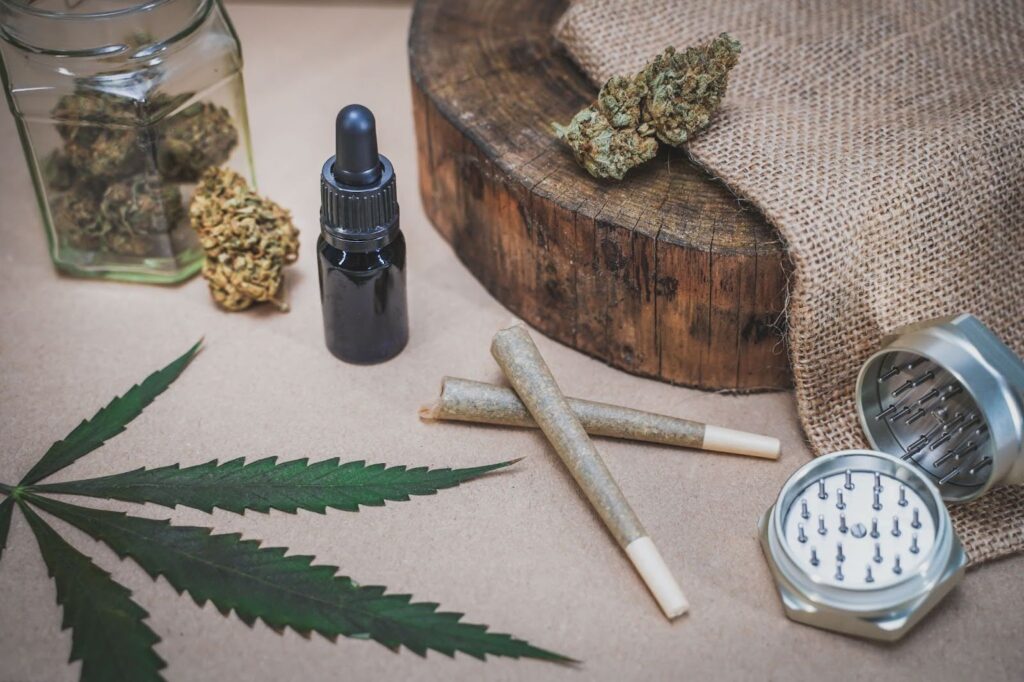
Whether you are preparing for occupational testing or simply curious about how your body processes cannabis use, understanding the timeline of detection is crucial. The answer isn’t a simple “one-size-fits-all” number. How long marijuana remains detectable depends on the drug testing method, your body composition, and the frequency of use.
Cannabis contains Delta-9 THC, the psychoactive compound that drug tests look for. When you consume a cannabis cigarette, a vape cart, or THC edibles, your body breaks down THC into marijuana metabolites, which are stored in fatty tissue before being excreted. Let’s take a look at how exactly it works!
The Biological Journey: How Your Body Stores THC
When you engage in cannabis use, THC enters the bloodstream rapidly via inhalation or more slowly through cannabis edibles. Because THC is lipid-soluble, it binds to fatty tissues throughout the body.
Metabolism and Storage
Once the initial effects of cannabis wear off, the body begins the process of metabolite removal. THC is metabolized by the liver into metabolic chemicals like THC-COOH. These metabolites linger much longer than the “high” itself because they are slowly released from the fatty tissue back into the blood and then excreted via urine and feces.
Factors influencing this process include:
- Body Fat: Since metabolites hide in fat cells, individuals with a higher percentage of body fat may retain THC longer.
- Metabolism: Higher metabolic rates speed up the processing of marijuana-based products.
- Frequency of Use: Chronic drug use leads to a buildup in the system, extending the detection window.
Speed up your satisfaction by choosing the cleanest, most refined marijuana-based products!
Explore our range of cannabis products
How Long is Cannabis in Your System? Breakdown of Detection Times by Test Type
Different drug testing methods look for different things. Some measure the presence of active THC, while others look for the “fingerprint” left behind (metabolites).
| Drug Testing Method | Typical Detection Window (Occasional Use) | Typical Detection Window (Chronic Use) |
| Saliva Test | 1–3 Days | Up to 7 Days |
| Blood Test | 1–2 Days | Up to 7 Days |
| Urine Tests | 3–7 Days | 30+ Days |
| Hair Test | Up to 90 Days | Up to 90 Days |
1. Urine Testing
Urine screenings are the most common form of drug and alcohol testing. They are cost-effective and have a reliable detection window. Most urine drug tests use a cutoff level of 50 nanograms per milliliter (ng/mL). If a home drug test kit or a lab test shows a preliminary hit, a more sensitive confirmation test is usually performed to rule out a false positive.
2. Blood Testing
Blood testing is often used in roadside checks or accidents because it detects active Delta-9 THC rather than just metabolites. This means it measures recent cannabis use that might indicate impairment. In most cases, THC is detectable in the blood within seconds of smoking a cannabis flower, but it leaves the bloodstream relatively quickly.
3. Saliva Testing
Saliva testing is becoming popular for Occupational Testing because it is non-invasive. Similar to blood tests, saliva test results usually reflect very recent marijuana use. However, for heavy users, the detection window can stretch significantly longer than for a one-time user.
4. Hair Follicle Test
The hair follicle test offers the longest look-back period. When THC reaches the hair follicles via the bloodstream, it remains encased in the hair shaft as it grows. Hair testing typically uses a 1.5-inch sample, providing a 90-day history of substance use. Note: A single cannabis cigarette may not always trigger a positive hair test, but regular use almost certainly will.
Regardless of the testing window, Purple Penthouse delivers the high-quality flower you deserve right now
Factors That Influence Drug Detection
Not everybody processes cannabis flower the same way. Several variables can shift the timeline of drug detection.
Route of Administration
The route of administration changes how the body absorbs THC. Inhaling a vape cart or flower results in a rapid spike in blood levels. Conversely, THC edibles must be digested, leading to a slower release and potentially longer presence of marijuana metabolites in the system as the liver processes the compound.
Type of Product
The potency of the product matters. High-potency marijuana-based products or synthetic cannabinoids stay in the system longer due to the higher concentration of chemicals. Even CBD oil can occasionally lead to a positive test if it contains trace amounts of THC.
Physical Health and Lifestyle
Your unique body composition significantly influences THC detection times. Factors like your metabolic rate and the amount of fatty tissue in your body determine how quickly metabolite removal occurs, directly impacting the detection window for various drug testing methods.
- Hydration: While drinking water won’t “flush” THC out of fatty tissues, it can slightly dilute urine tests.
- Exercise: Interestingly, exercise can cause a temporary spike in THC levels in the blood as it is released from burned fat cells.
- Medical Conditions: Certain kidney or liver medical conditions can slow down the body’s ability to clear metabolic chemicals.
We have the perfect cannabis product to match your unique lifestyle
Find the right weed product for you
Buy Quality Cannabis from Purple Penthouse
At Purple Penthouse, we pride ourselves on being Washington DC, Maryland and Virginia’s premier destination for top-tier cannabis. From exotic cannabis flower to high-potency THC edibles and sleek vape carts, our curated selection ensures every customer finds their perfect match.
We prioritize quality and discretion, offering same-day delivery that brings the dispensary experience directly to your door. Trust us for premium marijuana-based products that elevate your wellness and lifestyle every day.
Don’t wait—order from Purple Penthouse today for premium products and the fastest delivery!
