
Cannabis
Is Weed Vegan? What’s Really in Your Flower, Edibles and Gummies
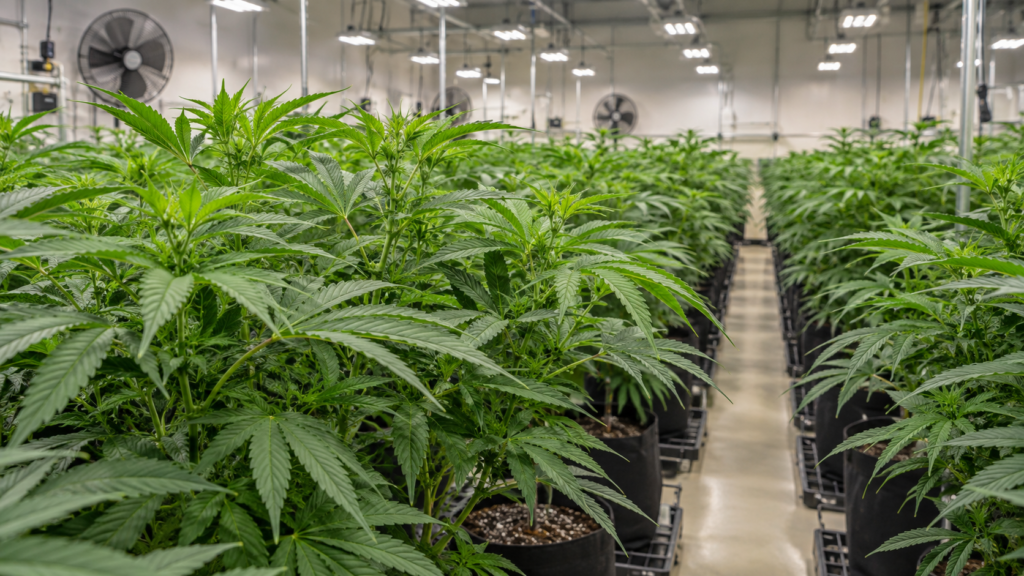
Cannabis might come from a plant, but that does not automatically make every weed product straightforward for vegans. From dried flower and pre-rolls to brownies, chocolates, gummies and infused oils, cannabis products can contain a surprising range of ingredients and processing aids.
Some are obvious, while others may be hidden behind unfamiliar labels or manufacturing methods. For anyone following a vegan lifestyle, knowing what to look for can make shopping a lot easier. In this guide, we’ll break down what may be hiding in your favourite cannabis products and the ingredients, additives and production choices worth checking.
Veganism and Cannabis: Why a Plant Isn’t Automatically Vegan
Cannabis grows from soil, so the vegan question feels settled before anyone asks it. It is not. Veganism judges the whole supply chain, and cannabis cultivation leans hard on animal products at the fertilizer stage. Flower can be organic, lab-tested and beautiful, and still owe its terpene production to a slaughterhouse byproduct.
The gap reopens in the kitchen, where gelatin turns a plant-based THC syrup into a non-vegan gummy. Two stages, two failure points, one question worth asking before you order.
What a Vegan Lifestyle Actually Rules Out
The Vegan Society defines veganism as avoiding animal products and using substitutes where they exist. A plant-based diet rules out meat, fish, dairy, eggs and honey. A vegan lifestyle goes further, rejecting animal-derived materials and the animal cruelty behind them, so cruelty-free becomes the standard rather than a slogan. Peter Singer built the ethical case decades ago and vegan values have travelled well beyond food since.
Is Marijuana Vegan? The Short Answer, and the Two Places It Breaks
Is marijuana vegan? The plant itself may be, but the finished product is where things get complicated. Vegan status can break down in two main places: cultivation, where animal-derived fertilizers may be used, and manufacturing, where ingredients such as gelatin, honey, dairy or carmine can appear in edibles and gummies.
That means vegan shoppers often have to look beyond strain names, THC percentages and terpene profiles to understand what they are actually buying. Purple Penthouse makes that process easier by doing the filtering for you, with a dedicated vegan edibles section that brings suitable options together in one place. You can still check individual product details, but you do not have to start your search from scratch.
Know what is really behind your cannabis before you buy, smoke or snack
Shop smarter with Purple Penthouse
How Veganic Farming Takes Animal Products Out of Weed
Veganic farming is the fix cultivators reach for first. The word splices vegan and organic, and veganic growing methods feed the plant with compost, plant-based nutrients and minerals instead of anything that came from an animal. Vegan growers call the wider practice veganics.
Bone Meal, Blood Meal and Fish Emulsion: the Non-Vegan Fertilizers
Most organic fertilizers used in cannabis cultivation are slaughterhouse and fishery byproducts, cheap and effective, and they are why the honest answer here is no.
- Blood meal, dried cow blood, delivers fast nitrogen from seed germination through harvest.
- Bone meal, ground animal bones out of slaughterhouses, supplies phosphorus for root growth.
- Fish protein hydrolysate, fish hydrolysate and fish emulsion feed soil microbes with bioavailable amino acids.
- Worm castings and bat guano sit in a grey zone, since excrement harvesting does not kill the animal but still leans on animal farming.
Compost Teas, Alfalfa Meal and Kelp Extract: What Veganic Cultivation Uses Instead
Veganic cultivation replaces animal inputs with plant-based alternatives. Compost, alfalfa meal, kelp extract, neem oil and gypsum can supply nutrients and support soil health, while beneficial insects help manage pests.
The Vegan Organic Network and Vegan Agriculture Network both offer guidance for growers. Potency need not suffer either: High Times reported that veganic cannabis has won major awards, and some vegetarian-grown strains have tested above 22% THC. Supporters also point to lower environmental impact, alongside the ethical benefit of avoiding animal agriculture.
Cleaner cultivation starts with plant-based inputs and a more considered growing process
Discover better-grown cannabis
Are Vegan Edibles Really Vegan? Gelatin, Pectin and the Ingredient Label
Vegan edibles are not always as straightforward as the label suggests. Gelatin, dairy and other animal-derived ingredients can easily slip in. Fortunately, some dispensaries, like Purple Penthouse, take extra care to source genuinely vegan cannabis products, making it easier to shop with confidence.
Gelatin vs Pectin and Agar-Agar in THC Gummies
Gelatin is boiled pig and cow collagen, and it binds most THC gummies sold today. Pectin, a fruit starch, does the same job with no animal input. Agar-agar, made from seaweed, sets firmer than pectin. Gum arabic shows up in coatings and is plant-based too.
The label settles it if the binder is listed. Pectin or agar means vegan. Gelatin means no. Anything claiming only “all natural” usually means gelatin, because brands paying for pectin advertise pectin. Vegan gummies and plant-based edibles are common now, but gelatin-free is a claim worth confirming rather than assuming.
Carmine, Shellac, Beeswax and Bone Char: the Ingredients Nobody Lists
Past the binder, four ingredients slip through almost every vegan check:
- Carmine, a red colourant made from crushed cochineal insects, common in fruit flavorings.
- Shellac, a resin secreted by lac insects, glazed onto hard-shelled candies.
- Beeswax, a release agent in moulded edibles and some topicals.
- Bone char, used to filter refined cane sugar white, which makes the sugar itself contentious.
Vegan Chocolate, Casein and Soy Lecithin in Infused Treats
Chocolate is the other trap. Milk chocolate carries dairy and casein by definition, and dark chocolate sometimes hides milk fat. Vegan chocolate uses cocoa butter with oat or coconut milk. Soy lecithin, the emulsifier in most infused chocolate, is plant-based and fine, while egg lecithin is not, so the word alone settles nothing.
Tinctures deserve a glance. Vegetable glycerin is vegan, honey-sweetened syrups are not, and hash oil concentrates rarely carry additives at all. Most infused edibles sit somewhere on that spectrum.
Purple Penthouse makes vegan shopping simpler with carefully sourced, clearly grouped edibles
How to Tell If Your Cannabis Is Vegan-Friendly Before You Order
You cannot inspect a grow from your sofa, so vegan-friendly shopping runs on labels, lab documents and the questions you are willing to ask. The instinct behind how to choose high-quality marijuana applies here: check the paperwork, then check the person selling it.
Reading the Certificate of Analysis and the Certified Vegan Label
A certificate of analysis reports THC and CBD levels, other cannabinoids, terpenes, flavonoids, pesticides and heavy metals. It says nothing about fertilizers and never mentions gelatin. Treat it as a purity document, not a vegan document.
The Certified Vegan logo does the second job. Clean Green Certified audits cultivation the way organic certifications do. Neither is common on gifted products, so brand labeling plus a straight answer from whoever hands you the bag usually stands in for formal vegan certification against real vegan standards.
What to Ask a Delivery Service About Veganic Strains and Vegan Certification
Four questions get you most of the way:
- Does this brand use pectin or gelatin in its vegan gummies?
- Anything with honey, dairy or carmine in the edibles lineup?
- Do you carry veganic strains, or flower from a veganic farm?
- Can you send the ingredient list and the COA before I order?
Dispensaries and delivery services worth ordering from answer all four without stalling. Ingredient sourcing is a fair question, and a shrug is an answer of its own.
A few smart checks can save you from buying the wrong cannabis product
Shop informed with Purple Penthouse
Plant-Based Choices on the Purple Penthouse DC Menu
We run weed delivery in Washington DC, usually inside an hour. The menu carries a dedicated vegan edibles category, and our team knows which brands use pectin. We will not claim every product is plant-based, because that would be a lie. We will tell you which ones are.
What Vegan Consumers Can Order From the Exotics and Edibles Menu
Flower is the easy category. Smoking exotic flower involves no animal ingredients in the finished product, so unless veganic cultivation is a hard line for you, top-shelf exotics and pre-rolls are fair game. Edibles need the ingredient check. Vegan gummies, dark chocolate bars and glycerin tinctures are the usual safe picks, and our menu clearly points them out.
Vegan-friendly edibles are easier to find when the menu does the filtering
