
Vaping
What Is Top Shelf Weed? A Buyer’s Guide to Premium Flower
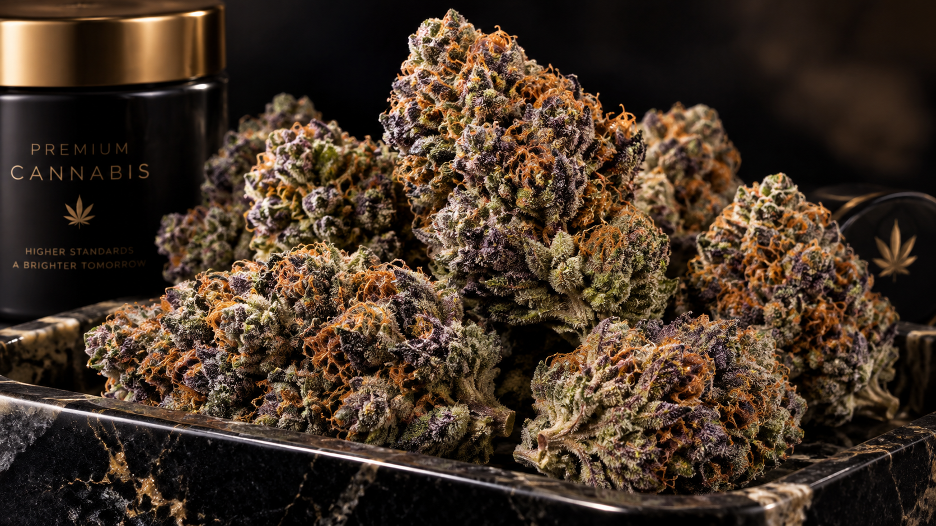
“Top shelf” is one of the most overused labels in cannabis. It sounds like a clear promise of better flower, but the reality is more complicated. Prices vary, quality standards differ from shop to shop, and a high THC number or flashy appearance does not always mean you are getting premium bud.
So what should you actually look for before you buy? In this guide, we break down the traits that separate genuinely high-quality flower from clever marketing, from genetics and cultivation to aroma, trichomes, texture, curing, and lab results, so you can judge what belongs on the top shelf.
What Is Top Shelf Weed?
Top shelf weed is the highest quality tier on a top-shelf flower menu. Mid shelf sits below it. Bottom shelf, sometimes called low shelf, sits below that, and some menus put a private reserve grade on top.
No agency defines these quality tiers. The label is a marketing term written by whoever prints the menu, which is why what top shelf actually costs in DC swings so hard between shops.
Top shelf should mean more than a higher price and a prettier jar
Explore What Defines Top Shelf
What Actually Makes Cannabis Flower Premium
Four factors push cannabis flower onto the top shelf: genetics, cultivation, the harvest and cure, and the trim. Canadian sellers compress all four into a letter grade, AAAA down to A. Health Canada regulates testing and labelling, but it certifies no quality grade. AAAA is a claim rather than a standard, and top grade and high grade work the same way on an American dispensary menu.
Genetics: The Cultivar Behind the Strain
Genetics set the ceiling. A cultivar carries a fixed blueprint for terpene content, bud structure and cannabinoid production, and no grower exceeds it. Gelato, Runtz and Kush lines earned their reputations because breeders selected those traits over many generations.
Rarity is a separate question. Exotic weed describes how hard a strain is to find, not how well it was grown, and the most exotic cannabis strains are not automatically the best quality. Blue Dream is everywhere. A careful grower still turns it into top shelf cannabis, because phenotype selection decides which expression of a strain reaches the jar.
Cultivation: Indoor Rooms, Living Soil, and Small Batch Grows
Cultivation decides how much of that blueprint survives. Indoor rooms give the cultivator control over light, temperature and humidity, which is why most high quality cannabis is grown inside. Living soil growers feed a biology instead of a plant, and the resulting flower usually carries a deeper aroma.
Small batch means the grower can walk every plant. Craft cannabis operations trade yield for that attention, and our Tier 1 flower comes from exactly that kind of boutique room. Watch for one shortcut. Plant growth regulators produce rock-hard buds that photograph beautifully and smoke harsh, and they show up on plenty of shelves labelled top tier.
Harvest, Curing, and Hand-Trimmed Buds That Keep Their Trichomes
Timing the harvest matters more than most shoppers realise. Trichomes mature asynchronously across a single bud, and a grower who cuts early loses resin and potency that never come back. After the cut, growers hang dry the plants for roughly one to two weeks, then jar them and burp those jars daily for several more. That slow curing window preserves volatile terpenes. Rushed drying strips them.
Then comes the trim. Hand-trimmed flower keeps its structure and its trichome heads intact. Machine-trimmed product moves faster and cheaper, and the trimming action knocks resin loose in the process.
Premium flower comes down to genetics, cultivation, curing, and careful handling
How to Spot High Quality Weed With Your Own Senses
You do not need a lab to judge weed quality. Most of what separates top shelf flower from mid shelf is smellable, visible and touchable, and our guide to how to choose high quality marijuana walks the same checks in more detail. Three senses do the work, in this order: smell, sight, touch. Budtenders judge flower the same way.
Smell First: Aroma, Terpene Profile, and the Four Red Flag Notes
Aroma is the fastest quality signal you have. Top shelf buds hit you with a pungent wave the second the jar opens, with notes you can actually name: myrcene reads earthy and herbal, limonene brings citrus, pinene smells like a fresh cut tree, caryophyllene turns peppery, terpinolene lands floral and sharp.
A complex terpene profile means the cure protected those compounds, and flavor follows the same curve on the exhale. The flat, generic smell that people call “just weed smell” usually means it did not. Loud weed earned its nickname here, and strains with specific terpenes make the differences obvious.
Four smells send you back to the menu:
- Wet grass, which points to a rushed dry
- Hay, the classic sign of an old or badly stored batch
- Damp basement, which often means mold got in
- Fertilizer, which means the grower skipped the flush
Colour, Purple Hues, and Frosty Trichome Density
Premium flower shows a deep green base with purple, orange or blue accents. Those vibrant colours mean the plant stayed healthy right through harvest. Brown, tan or grey buds signal age, heat damage or a poor cure.
Trichome density is the next check: frosty, intact heads catch light like sugar, while a dull or smooth surface usually means machine trimming knocked them off. Appearance has limits. Bag appeal sells jars, and some genuinely excellent cultivars are simply less showy than their shelf neighbours.
Texture and Bud Structure: What Properly Cured Flower Feels Like
Squeeze it. Properly cured flower is sticky and slightly spongy, and it springs back instead of crumbling. Dense buds should yield a little under pressure; rock-hard ones point back to those growth regulators.
Stems snap cleanly at the right moisture content. If they bend, the flower is damp, and damp flower carries a mold risk you cannot see. Dust in the bottom of the bag means the opposite problem. It dried out, and the best quality terpenes left with the moisture.
Smell, appearance, and texture can reveal plenty before you ever read the label
Why the THC Number Doesn’t Tell You Much About Quality Cannabis
THC is the number on the label, the number shoppers compare, and a poor predictor of how flower actually smokes. Potency lives in the full cannabinoid profile and the terpene content together, not in one line of a lab report. Quality cannabis is judged on execution. The THC percentage measures none of it.
What the Entourage Effect Says That THC Percentage Can’t
The entourage effect describes how cannabinoids and terpenes shape each other’s behaviour. THC drives intoxication. CBD moderates it. Terpenes steer the character of the high and the effects you actually notice, which is why two jars testing identically can feel nothing alike.
Chasing the highest THC content strain on a menu often lands you with something potent and one-dimensional. Rich terpene content at a moderate number usually smokes smoother.
Why Some High-Potency Buds Still Smoke Flat
Where a bud grows affects its quality. Top colas get more light and develop more resin, while lower-canopy popcorn buds and larf are smaller and less dense. That helps explain why some high-THC flower still smokes flat. Smalls are simply undersized nugs, while shake is loose flower from the bag bottom. Neither automatically means poor quality, and both can offer better value through our OZ deals.
The Importance of a Certificate of Analysis
Every properly lab tested batch produces a Certificate of Analysis. A real COA shows more than the headline number:
- Full cannabinoid content, THC and CBD broken out with the acid forms
- A terpene panel, which tells you more about the smoke than potency does
- Contaminant screening for pesticides, heavy metals and microbials
- The lab name and test date, so you know the testing is current
A bigger THC percentage does not automatically mean better-grown or better-cured flower
Get Premium Cannabis Delivered Same-Day Across Washington DC
At Purple Penthouse, we make it easy for eligible adults in Washington, DC to understand their cannabis options and our delivery process. Our menu includes a range of flower selected for quality, freshness, and consistency, with product information available to help you compare choices.
We focus on clear service, transparent product details, and reliable same-day delivery within our service area, subject to availability and applicable local requirements.
Check our current menu and delivery information for the latest details
