
Edibles
Do Edibles Expire? Shelf Life, Spoilage and Storage Explained
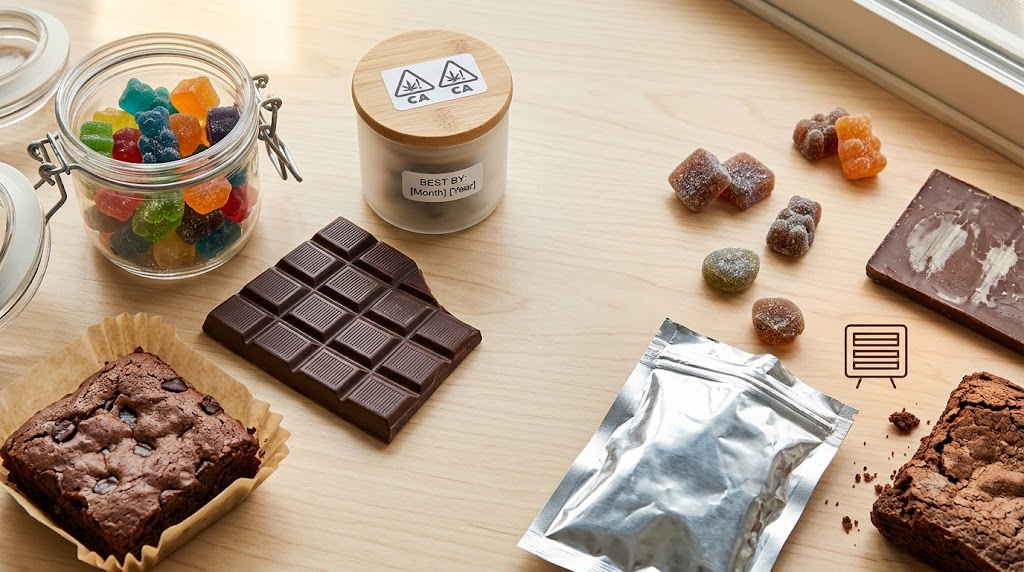
Yes, edibles expire. However, the answer is more complicated than checking whether the THC suddenly stops working on a specific date.
A cannabis edible is both a food product and a cannabinoid product. Its ingredients can become stale, rancid, mouldy or unsafe, while THC, CBD and other cannabinoids can gradually lose potency. The rate at which this happens depends on the type of edible, its ingredients, packaging and storage conditions.
A sealed pack of gummies may remain fresh much longer than a homemade brownie containing eggs and butter. Likewise, an edible stored in direct sunlight may deteriorate more quickly than one kept in airtight packaging inside a cool cupboard.
This guide explains how long different cannabis edibles generally last, how to identify spoilage and how proper storage can preserve freshness and potency.
Can Edibles Go Bad or Lose Their Potency?
When people ask, “Can edibles go bad?”, they may be asking two different questions. The first is whether the food itself can spoil. The second is whether the cannabinoids can become less effective.
Both can happen, but they do not always happen at the same time. An edible could still contain active THC even though its ingredients have become unsafe to eat. Alternatively, a properly stored product may remain edible while delivering a weaker experience than it did when fresh.
Understanding this distinction helps you decide whether an older edible should be consumed or discarded.
Keep your stash fresh! Buy our ultra-premium, freshly made edibles at Purple Penthouse
Food Spoilage and Cannabinoid Degradation Are Different
Food spoilage depends largely on the edible’s ingredients. Products containing dairy, eggs, fruit, infused butter or other perishable ingredients usually have a shorter shelf life than commercially produced hard candies or gummies.
Signs of food spoilage may include:
- Visible mould or unusual surface growth
- Sour, rancid or unfamiliar smells
- Unexpected colour changes
- A sticky, excessively dry or crumbling texture
- Swollen, leaking or damaged packaging
Cannabinoid degradation is the gradual breakdown of compounds such as THC and CBD following exposure to heat, oxygen, moisture or light.
THC does not typically become dangerous simply because it is old. Instead, prolonged oxidation may reduce its potency and convert some THC into other compounds, including CBN. The result may be a weaker or somewhat different experience.
Food safety should always take priority over potency. If an edible appears spoiled, discard it even if you believe the THC may still be active.
Expiration Dates, Best-By Dates and Optimal Freshness
A product label may show an expiration date, best-by date or use-by date. These terms do not always mean exactly the same thing.
A best-by date normally indicates when the manufacturer expects the product to retain its optimal freshness, flavour and texture. It is not necessarily a guarantee that the edible becomes unsafe the following day. An expiration or use-by date may provide firmer guidance, particularly for products containing perishable ingredients.
Use this simple process when evaluating an older edible:
- Check the printed date and manufacturer instructions.
- Confirm whether the package has been opened.
- Inspect the edible for visible spoilage.
- Smell it without tasting it.
- Consider how and where it was stored.
An unopened product kept under the recommended storage conditions may last longer than one exposed to air, moisture or fluctuating temperatures. However, a printed date should never override obvious signs of contamination.
How Long Do Cannabis Edibles Stay Fresh?
There is no universal shelf life for edibles. The underlying food product usually determines how long it remains enjoyable and safe to consume.
Commercial products often contain preservatives and arrive in resealable or child-resistant packaging. Homemade edibles may contain fewer preservatives and may be exposed to more air during preparation. Always use the product label as your primary reference.
Gummies, Hard Candy and Cannabis Chocolates
THC gummies and hard candies generally have a relatively long shelf life because they contain less moisture than baked goods. When unopened and properly stored, many remain fresh for several months or longer, depending on their formulation.
Gummies can still deteriorate. They may harden, become excessively sticky, develop sugar crystallisation or lose flavour. Moisture exposure can also encourage mould growth, particularly after the package has been opened.
Chocolate may remain usable for months when stored correctly, although heat can cause it to soften or develop a pale surface known as fat or sugar bloom. Bloom affects appearance and texture but is not automatically evidence of mould.
When buying fresh cannabis edibles, check the packaging, serving information and storage directions before putting them away.
Brownies, Cookies and Other Baked Goods
Brownies, cookies, cakes and other baked goods usually have a shorter shelf life than gummies or hard candy. Their moisture content and ingredients create better conditions for staleness, rancidity and microbial growth.
A commercially packaged cookie may last longer than a fresh homemade brownie, but neither should automatically be treated like shelf-stable candy. Products containing dairy fillings, cream, eggs or fruit may require refrigeration.
As a general approach:
- Treat fresh baked edibles like comparable non-infused baked goods.
- Refrigerate products when the label or recipe recommends it.
- Freeze suitable portions when they will not be eaten soon.
- Discard products showing mould, sour odours or unusual moisture.
Cannabis does not preserve a baked product. The same food safety principles that apply to ordinary brownies and cookies still apply after THC or cannabutter has been added.
Beverages, Tinctures and Homemade Edibles
Cannabis beverages vary significantly. An unopened, shelf-stable drink may last for months, while a product containing dairy, fresh juice or other perishable ingredients may require refrigeration and faster consumption. Once opened, follow the label’s instructions carefully.
Alcohol-based tinctures typically have a longer shelf life than many foods because their formulation is less hospitable to microbial growth. Oil-based tinctures can eventually become rancid, particularly when exposed to heat, air or sunlight.
Craving fresh, delicious treats? Order from Purple Penthouse for guaranteed top-tier quality
Find the Right Edibles for Your Taste
How Can You Tell When a Weed Edible Has Gone Bad?
An old edible should be evaluated with the same caution as any other food. Do not rely solely on THC potency, the printed date or the assumption that sugar prevents spoilage.
The safest approach is to examine the packaging and product before consuming anything.
Check for Mold, Unusual Smells and Colour Changes
Visible mould is a clear reason to discard an edible. Depending on the product, it may appear as fuzzy white, green, blue or dark patches. Do not remove the affected area and eat the remainder, since contamination can extend beyond what is visible.
Smell is another useful indicator. Sour, fermented, rancid or otherwise unusual odours can suggest ingredient breakdown or microbial growth.
Some colour changes are harmless. Chocolate bloom and slight fading in candy do not always mean the product is unsafe. However, unexplained discolouration combined with moisture, odour or damaged packaging should be treated cautiously.
Look for Texture Changes and Damaged Packaging
Texture naturally changes as edibles age. Gummies may become hard, candy may absorb moisture and baked goods may become stale. These changes primarily affect quality, but they can also indicate improper storage.
Inspect the package for:
- Broken seals or punctures
- Condensation inside the wrapper
- Swelling or leaking
- Insect damage
- Missing or unreadable labels
When an edible no longer resembles its expected appearance or consistency, consider how long it has been stored and whether the change is consistent with normal staleness or possible spoilage.
Should You Consume an Edible After Its Best-By Date?
An edible does not necessarily become unsafe immediately after its best-by date. The date often relates to quality rather than a precise food safety deadline.
However, consuming it is only reasonable when the packaging remains intact, the product was stored correctly and there are no signs of mould, rancidity or contamination. Perishable baked goods deserve more caution than sealed hard candy.
Never consume an edible when you cannot identify its ingredients, age or dosage. If you are uncertain, discard it. Replacing one old edible is preferable to risking foodborne illness or an unpredictable experience.
Don’t risk spoiled treats; upgrade to our fresh, premium menu at Purple Penthouse now
Order the Freshest Edibles on the Market
How to Store Edibles and Extend Their Shelf Life
Proper storage helps preserve flavour, texture, food safety and cannabinoid potency. The main goal is to limit exposure to heat, oxygen, light and moisture while following product-specific instructions. Storage needs vary, so consider whether the edible is commercially packaged, homemade, shelf-stable or made with perishable ingredients.
- Keep edibles in airtight packaging: Use the original sealed wrapper or a food-safe airtight container to reduce oxygen and moisture exposure, prevent staleness and protect gummies, chocolates and baked products from contamination.
- Choose a cool, dark storage location: Store shelf-stable products inside a cupboard away from direct sunlight, appliances and heat sources, since elevated temperatures can damage texture and accelerate THC, CBD and flavour degradation.
- Refrigerate products with perishable ingredients: Refrigerate brownies, dairy-based chocolates, infused butter and homemade edibles containing eggs or fresh ingredients, following manufacturer instructions and using labelled containers to prevent contamination or confusion.
- Freeze suitable edibles for longer storage: Wrap brownies, cookies and other freezer-safe products tightly before freezing, divide them into labelled portions and allow controlled thawing to minimise condensation, freezer burn and texture changes.
- Keep edibles securely away from children and pets: Use clearly labelled child-resistant packaging in a locked location, separate cannabis products from ordinary snacks and prevent accidental ingestion by household members, visitors and animals.
Store them right, or simply order fresh, potent treats from Purple Penthouse today!
Buy High-Quality Edibles Online at Purple Penthouse
At Purple Penthouse, we believe treating yourself should be an absolute luxury. We source only the finest premium ingredients for our delicious lineup of cannabis edibles. Whether you are craving rich, artisanal chocolates, fruity gourmet gummies, or potent baked goods, we have your cravings completely covered. Skip the hassle of the dispensary line and order directly from our curated online menu. We deliver premium, discreetly packaged treats straight to your door, making your next elevated experience simple, safe, and delicious.
Explore our premium menu today and enjoy fast, discreet delivery right to your door!
